Merc Sol, Rub, or Flavus – Which Mercury Remedy Fits Your Case?

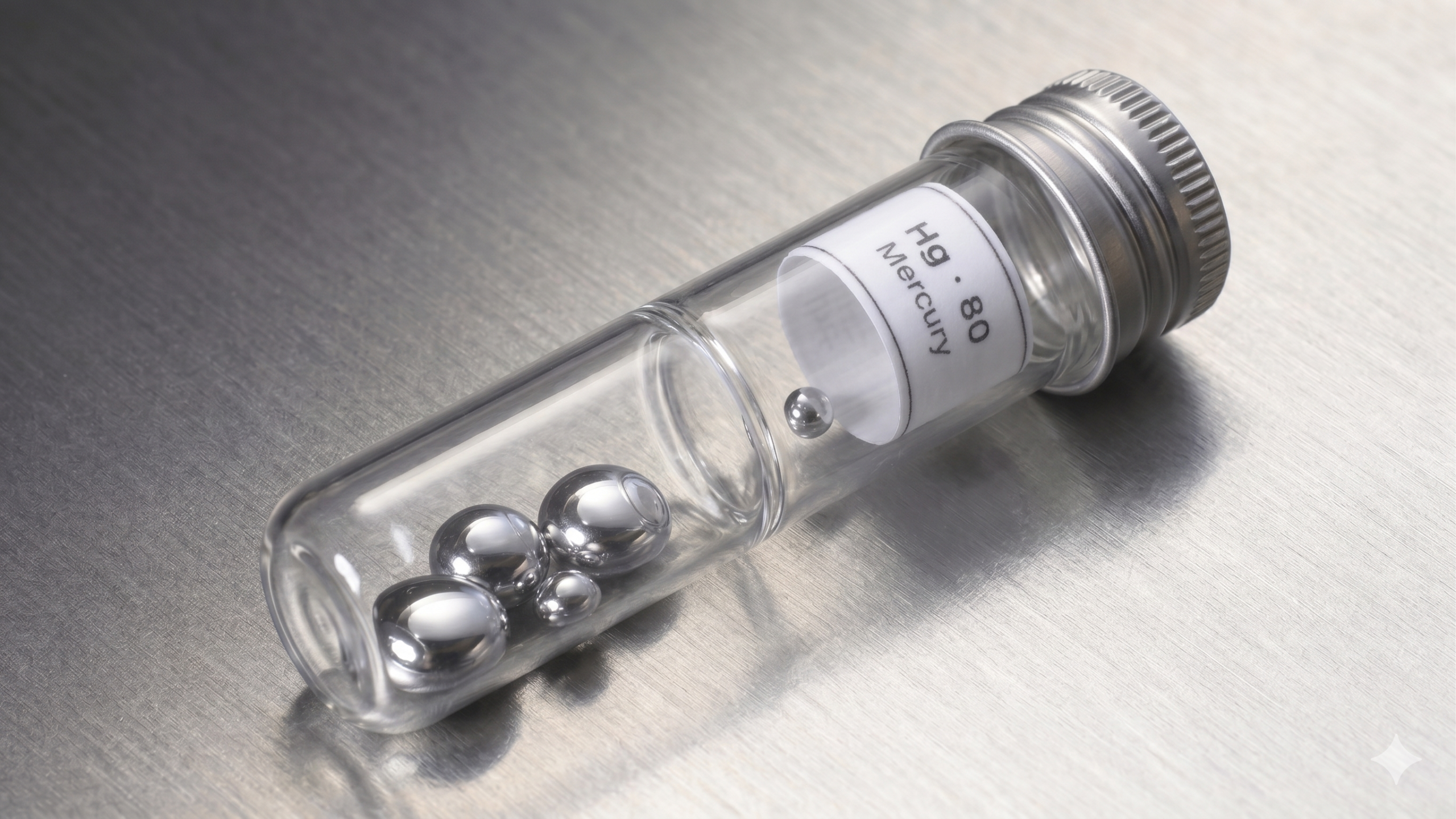
The Mercury remedies stand among the most nuanced in the homeopathic materia medica. Despite sharing a common mineral origin, the variations; Mercurius Solubilis (Mercury), Mercurius Iodatus Ruber (red iodide of Mercury), and Mercurius Iodatus Flavus (yellow iodide of Mercury) – diverge markedly in physiology, expression, and clinical emphasis.

Picture of Kate Howard RSHom

Kate Howard RSHom

Homeopath and CHE Community Manager

1. Mercurius Solubilis - The Classic Systemic Mercurial

Essence & Pathology

Merc sol is the archetypal mercurial remedy of chronic systemic degeneration, catarrhal affections, and suppurative processes. It is deeply associated with:

Keynotes
Modalities
Organ Affinities
Clinical Pointers

2. Mercurius iodatus ruber - The Red Iodide With Syphilitic Tone

Essence & Pathology

Merc Iod Rub reveals a syphilitic, destructive pattern, combining it’s mercurial and iodate actions. It is deeply destructive, ulcerative, and often associated with:

Keynotes
Differences from Merc Sol
Modalities
Clinical Pointers

3. Mercurius iodatus flavus - The Yellow Iodide, Scrofulous & Glandular

Essence & Pathology

Merc Iod Flavus tends toward a scrofulous, glandular, lymphatic pattern with:

Keynotes
Differences from Merc Iod Rub
Modalities
Clinical Pointers

Head-to-head comparisons

Characteristic

Merc Sol

Merc Iod Rub

Merc Iod Flavus

Dominant Theme

Systemic catarrh & suppuration

Syphilitic ulceration

Scrofulous glandular involvement

Ulceration

Profuse, offensive

Deep, destructive

Mild to moderate, soft

Bone Involvement

Sometimes

Prominent

Rare

Glandular Swelling

Present

Possible

Primary

Odour

Fetid

Offensive

Less offensive

Discharges

Profuse, excoriating

Yellow, destructive

Yellow, glandular

Pain Character

Aching, restless

Throbbing, nocturnal

Indolent

Modalities

Worse heat/night; Better open air

Worse warmth/night; Better cold

Worse warmth/drafts

Principles for differentiation

1. Tissue Tone & Depth

  • Sol: systemic, mucosal
  • Rub: deep, destructive
  • Flavus: glandular, soft
 

2. Ulceration Quality

  • Sol: profuse but usually superficial
  • Rub: deep, ragged
  • Flavus: superficial with yellow, soft discharge
 

3. Modalities Common to All

  • Heat often aggravates; many feel better in open/cool air – though this is most pronounced in Sol.
 

4. Syphilitic vs Scrofulous

  • A syphilitic tone (bone pain, ulceration, periosteal involvement) suggests Rub.
  • A scrofulous pattern (swollen glands, lymphatics) suggests Flavus.

Conclusion

Though closely related, these three mercurials unfold distinct clinical personalities. The astute prescriber will differentiate them by observing the nature of ulceration, depth and quality of pain, glandular involvement, and the overall miasmatic tone.

By integrating these insights from classical materia medica with careful case analysis, we can elevate the accuracy of prescription and therapeutic outcome.

Disclaimer

The content shared here is intended for informational purposes only and should not be considered a replacement for professional medical advice, diagnosis, or treatment from a qualified and licensed healthcare provider. The views and opinions expressed in this presentation are those of the presenter and do not necessarily represent those of CHE or any affiliated organisations.

Related Posts

FREE Gift: Beginners Course

Discover the very best Homeopathic remedies for friends & family in this free easy to use Beginners Video Course