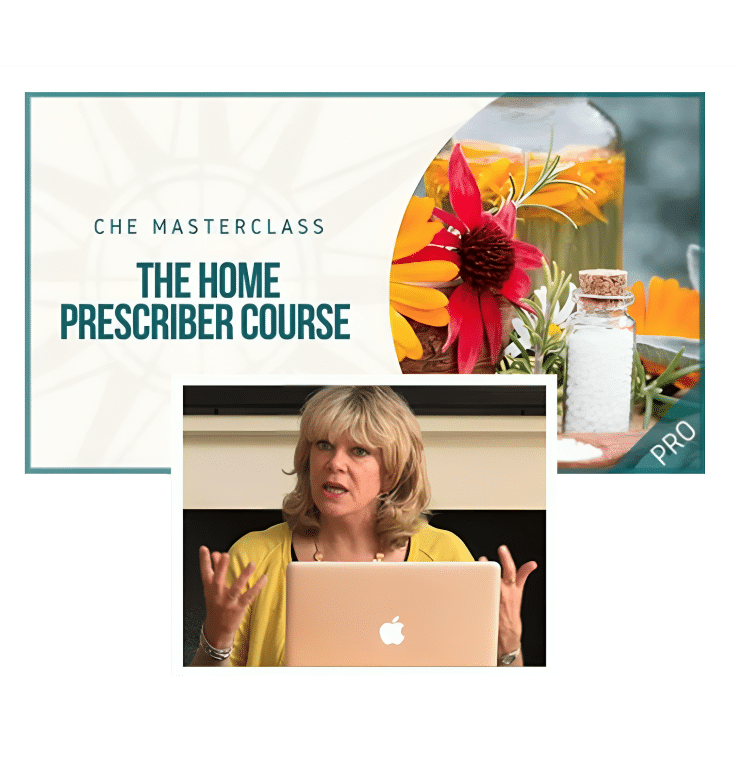
Homeopathy 101: Your Easy Guide to Dosing

If you’re new to homeopathy (or experienced), the idea of “dosing” can feel a bit confusing. Don’t worry! This guide breaks down the basics in simple language so you can feel confident prescribing or taking remedies safely.

Picture of Kate Howard RSHom

Kate Howard RSHom

Homeopath and CHE Community Manager

1. Pill Form (Globules/Tablets)

What it is: Small sugar pellets (globules) or tiny tablets that are pre-dosed with the remedy.

How to use:

  • Usually, you take 1 pellet at a time

  • Let them dissolve under your tongue – don’t chew or swallow whole

Why it’s useful:

  • Easy to carry and store

  • Precise dosing

  • Great for beginners who want a straightforward method

Liquid Dosing (Tinctures & Solutions)

What it is: Remedies dissolved in alcohol or water, usually in a dropper bottle.

How to use:

  • A common dose is 2–5 drops in a small amount of water

  • Take directly on the tongue or in the water

  • Swish lightly in your mouth before swallowing for better absorption

Why it’s useful:

  • Can be adjusted easily – take more or less if needed

  • Useful for children or anyone who struggles with pills

  • Quick to act for acute conditions

3. Water Dosing (Succussion Method)

What it is: A way to take remedies by diluting them in a glass of water.

How to use:

  • Put the remedy in a small glass of water and let dissolve

  • Stir gently before taking small sips throughout the day

  • Typically, doses are spaced out over hours rather than minutes

Why it’s useful:

  • Gentle way to repeat doses without overloading the body

  • Handy if multiple doses are needed, or you need to stretch out a remedy when you don’t have many left

4. Plussing (Potentising)

What it is: A technique to “boost” the remedy by shaking it vigorously in water. This can make the effect stronger or faster.

How to use:

  • Usually done after an initial dose, in the same glass of water

  • Shake sharply 20-30 times

  • Take a small sip of the water

Why it’s useful:

  • Can be helpful if symptoms are returning quickly and you need to increase the potency

  • Lets you respond to changing conditions without giving a new remedy each time

5. Topical / Creams / Ointments

What it is: Remedies prepared in a cream, gel, or ointment.

How to use:

  • Apply directly to the affected area of the skin

  • Absorbed through the skin rather than swallowed

Why it’s useful:

  • Ideal for rashes, local pain, or irritation

  • Can be combined with oral remedies for a complete approach

Key Tips for Beginners

  • Start with a single remedy at a time
 
  • Stick to low or moderate potency if you’re new (e.g., 6C–30C)

  • Observe your symptoms – sometimes less is more

  • Avoid touching remedies where possible

  • Reach out to your homeopath for guidance – especially if you’re unsure about dose, potency, or method

Remember, homeopathy is flexible. Pills, liquids, water dosing, plussing, and topicals are all tools – you choose the method that fits the situation and the person.

Disclaimer

The content shared here is intended for informational purposes only and should not be considered a replacement for professional medical advice, diagnosis, or treatment from a qualified and licensed healthcare provider. The views and opinions expressed in this presentation are those of the presenter and do not necessarily represent those of CHE or any affiliated organisations.

Related Posts

FREE Gift: Beginners Course

Discover the very best Homeopathic remedies for friends & family in this free easy to use Beginners Video Course