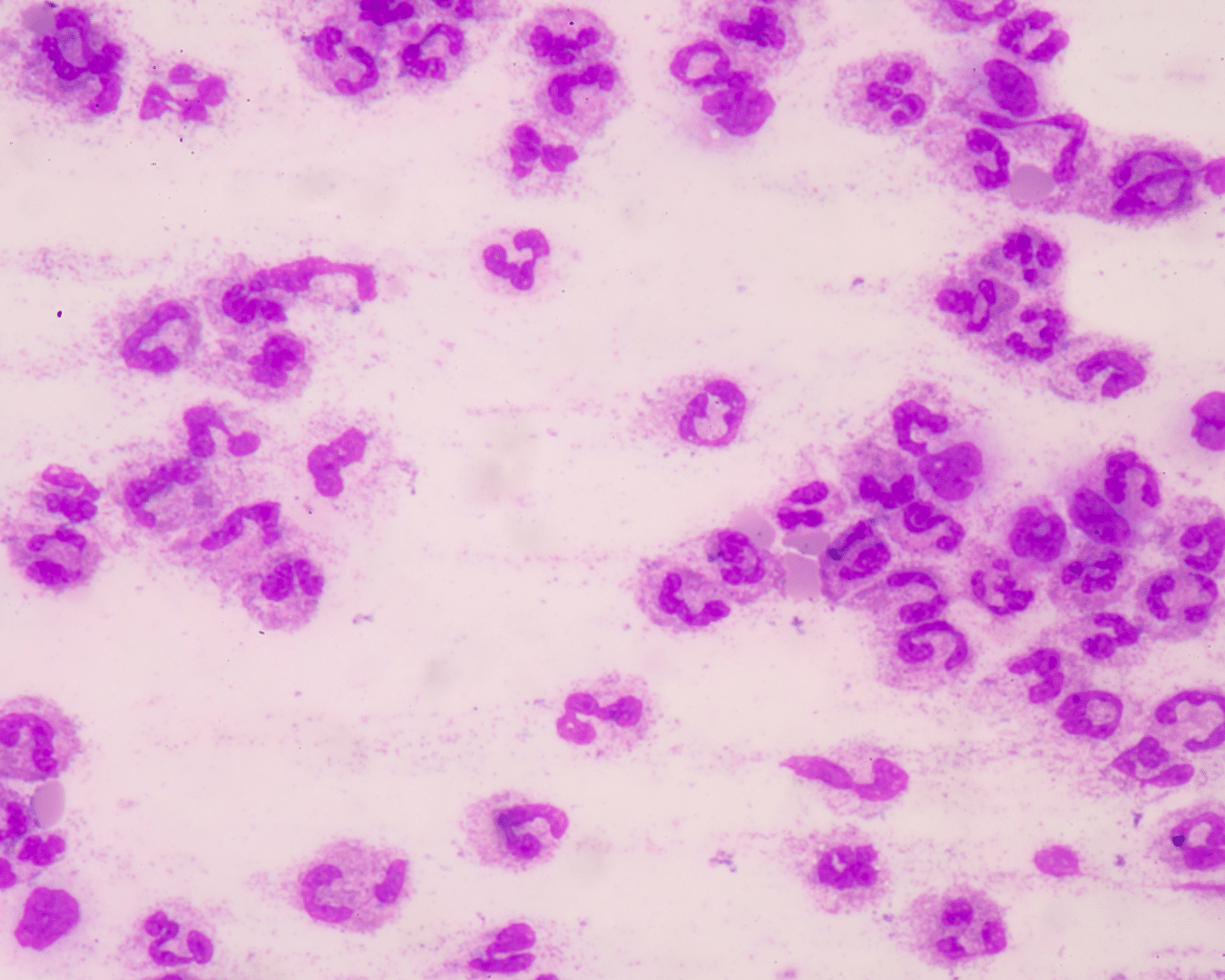
Comparative Materia Medica: Pyrogenium, Carbo Vegetabilis & Arsenicum Album

In clinical homeopathy, the ability to discriminate between closely related remedies is one of the most valuable skills a practitioner can possess.

Picture of Kate Howard RSHom

Kate Howard RSHom

Homeopath and CHE Community Manager

When cases present with collapse, toxicity, offensive discharges, restlessness, or profound weakness, Pyrogenium, Carbo vegetabilis, and Arsenicum album frequently come to mind.

Though they share overlapping indications—particularly in septic or near-collapse states—their remedy pictures are distinct. This article offers a comparative Materia Medica to support deeper clarity and confidence in prescribing.

Each of these three remedies may be indicated in:

Yet they differ in their pace of pathologyemotional statereaction to temperature and movementmodalities, and mental-emotional themes. Let’s examine these distinctions in detail.

Pyrogenium

The Toxaemic State with Delirium and Discrepancy

Essence: Pyrogenium is a remedy for overwhelming infection and sepsis where there is clear evidence of systemic toxicity, often with a striking discrepancy between objective findings and subjective experience.

Key Characteristics

Differentiation Clues

Carbo Vegetabilis

Collapse with Icy Coldness and Air Hunger

Essence: Carbo vegetabilis is a remedy of circulatory and respiratory failure, indicated when the vital force is nearly extinguished. It is frequently described as the “corpse reviver.”

Key Characteristics

Differentiation Clues

Arsenicum Album

Anxious, Burning, Restless Exhaustion

Essence: Arsenicum album is characterised by intense anxiety, burning pains, and collapse with great restlessness. It is a remedy for both toxic and functional breakdown, particularly in the GI tract and mucous membranes.

Key Characteristics

Differentiation Clues

Differentiation at a Glance

Key Differentiating Questions for Practice

When faced with a complex case involving infection, exhaustion, or collapse, ask yourself:

conclusion

Mastering the subtle distinctions between Pyrogenium, Carbo vegetabilis, and Arsenicum album equips the homeopath to respond effectively to acute systemic states, especially in cases of infection, collapse, and toxicity. Each remedy has its own vital expression of disease, and by tuning into the specific nature of the collapse—be it septic, hypoxic, or anxious—we can more precisely meet the patient’s energetic need.

As always, remedy choice is not about the pathology alone, but the individual’s response to the crisis they are experiencing.

Disclaimer

The content shared here is intended for informational purposes only and should not be considered a replacement for professional medical advice, diagnosis, or treatment from a qualified and licensed healthcare provider. The views and opinions expressed in this presentation are those of the presenter and do not necessarily represent those of CHE or any affiliated organizations.

Related Posts

FREE Gift: Beginners Course

Discover the very best Homeopathic remedies for friends & family in this free easy to use Beginners Video Course