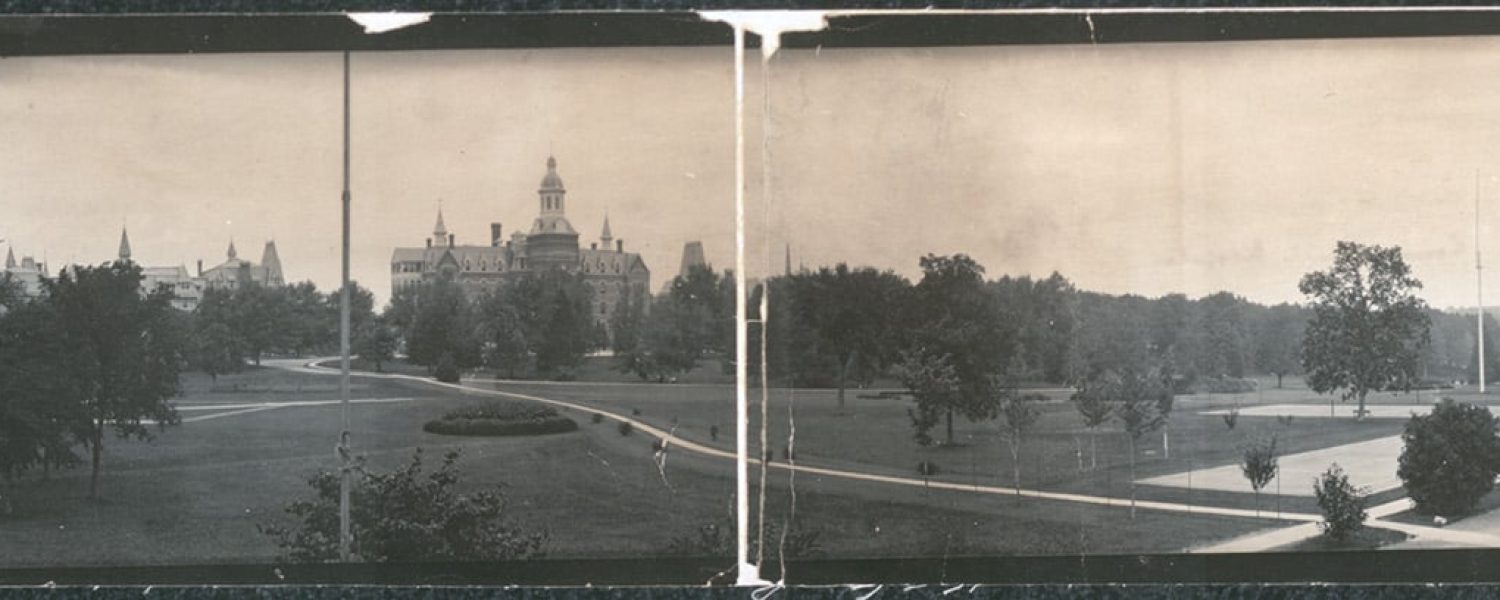
The Healing Haven: Homeopathic Mental Health Hospitals in 19th-Century America
In the 19th century, mental health care was often synonymous with confinement. Many asylums functioned as institutions of restraint rather than rehabilitation, leaving patients isolated and subjected to harsh treatments. Yet, amidst this landscape, a different kind of institution emerged—homeopathic mental hospitals, which pioneered a more humane and holistic approach to mental health.
A Different Kind of Care
Homeopathic hospitals in the 19th century provided an alternative to conventional psychiatric asylums. Rooted in the principles of homeopathy—treating the individual as a whole and using gentle, natural remedies—these institutions prioritised patient well-being, dignity, and rehabilitation. Rather than focusing solely on managing symptoms, they sought to create an environment conducive to healing, integrating homeopathic remedies with fresh air, meaningful activities, and compassionate care.
One of the most notable examples was Middletown State Homeopathic Hospital in New York, established in 1870. It was among several homeopathic institutions that gained a reputation for their success in treating mental illness through a combination of homeopathy, structured routines, and recreational activities. Patients were encouraged to engage in exercise, creative pursuits, and social interaction, fostering a sense of normalcy and purpose.
Homeopathy and Holistic Mental Health
The philosophy behind these hospitals was deeply aligned with homeopathy’s core principles: treating the whole person rather than just their symptoms. Homeopathic physicians observed that mental and emotional states were just as important as physical health in the healing process. Remedies were carefully selected based on the patient’s unique mental, emotional, and physical characteristics.
Alongside homeopathic treatment, patients benefited from environments designed to promote recovery. Large, open grounds allowed for movement and fresh air, while structured activities helped patients build routine and regain a sense of control. This approach stood in stark contrast to many conventional asylums, where overcrowding and punitive measures were common.
Baseball for the Insane?
One of the more fascinating aspects of Middletown State Homeopathic Hospital was its baseball team, which played against local and professional teams. Far from being a mere pastime, the team embodied the hospital’s philosophy of engagement and rehabilitation. Patients found purpose and camaraderie through the sport, and some even gained local recognition for their skill. The team’s success became a symbol of the hospital’s progressive approach, showcasing the power of structured activity in mental health recovery.
The Legacy of Homeopathic Mental Health Hospitals
While homeopathic psychiatric hospitals eventually declined as medical models shifted, their legacy remains significant. They demonstrated that compassionate, patient-centred care could yield positive outcomes, paving the way for more humane mental health treatment. Many of their core principles—recognising the individual, fostering engagement, and prioritising holistic well-being—are now echoed in modern integrative medicine.
At its heart, the story of these hospitals is a testament to the enduring values of homeopathy: a commitment to treating individuals as whole beings, with care that extends beyond symptoms to nurture true healing.